
‘Collaborative innovation and improved planning can reduce impact of Scotland’s rising tide of sight loss’
‘Improved prevention and planning around Scottish sight loss must place collaborative innovation at the heart of a national vision for change,’ insists a leading healthcare agency
New data from sight loss charity the Royal National Institute of Blind People Scotland (RNIB) indicates that a projected 8,730 people across the country will have to begin living with sight loss in the next 12 months.
It further projects that the number of Scots affected will grow by nearly 21% over the next decade to 234,000, adding to the current 193,674 people living with deteriorating vision amid the impact of Scotland’s ageing population and increasing rates of sight-threatening conditions like diabetes.
Healthcare innovation agency InnoScot Health has backed RNIB’s move to make a national data tool available online and help public services plan better for the thousands increasingly experiencing sight loss across Scotland, predominantly through age-related macular degeneration (AMD).
It believes that RNIB’s Sight Loss Data Tool is an important asset in tracking the expected spread of conditions which in turn assists local authorities, governments, and eye health professionals in allocating resources effectively. It further captures health and social care activity, local area data and factors that increase eye health problems.
However, InnoScot Heath insists that more innovation-led progress is yet required alongside the refreshed RNIB tool — the UK’s largest collection of eye health and sight loss data — and major Scottish strides made recently in cutting ophthalmic surgery waiting times.
InnoScot Health wants to see a sustained push for preventative progress by fostering a combination of cutting-edge research, AI, and assistive technologies designed to improve early diagnosis in tandem with regular eye tests and support on lifestyle adjustments.
The organisation’s Innovation Commercialisation Manager Frances Ramsay said: “Our goal is always to identify and support new technologies, processes, or devices that can improve patient outcomes and reduce waiting times.
“Encouraging Scotland’s NHS, industry, and academia expertise to generate new ideas that achieve better outcomes in pressured ophthalmology is vital with the new figures from RNIB serving to underline the growing need for sustained collaborative action.
“While improved delivery of higher volume cataract surgery in operating theatres across Scotland is having a positive impact, we also need to look at progressive approaches to early detection, ranging from AI to virtual reality, advanced imaging, and teleophthalmology, in order to prevent diseases like glaucoma, diabetic retinopathy, and myopia.
“Finding the right partner to assist ophthalmic innovators in accelerating their ideas — including the potential to better harness existing facilities for optimal outcomes — can be crucial to solving those needs.”
Frances notes that breakthrough initiative, the Scottish Collaborative Optometry-Ophthalmology Network e-research (SCONe), continues to build a Scotland-wide retinal image resource for innovation in eye research, healthcare, and education.
She added: “SCONEe recently hit a major milestone of one million images delivered to Public Health Scotland’s Data Safe Haven — a secure data environment for clinical research. Amongst its aims is helping to better predict diseases like AMD.
“These positive steps can all add up to enhanced community care models which reduce the burden on hospital eye services and ultimately prevent sight loss.”
InnoScot Health launched a successful Ophthalmology Innovation Call in 2022. It has supported and worked with innovators on solutions including the iGrading platform, a diabetic retinopathy screening tool developed alongside NHS Grampian and the University of Aberdeen, and Peekaboo Vision, an app created by NHS Greater Glasgow and Clyde.
Last month, InnoScot Health issued a general call to help inspire those working across Scotland’s ambitious healthcare sector who may have innovative concepts or ideas which they aim to develop further with the help of expert assistance.
It is particularly reaching out to early-stage healthcare entrepreneurs, including those in their final year of training or first year of qualified practice, whether they are nurses, doctors, midwives, allied health professionals, scientists, or other specialties.
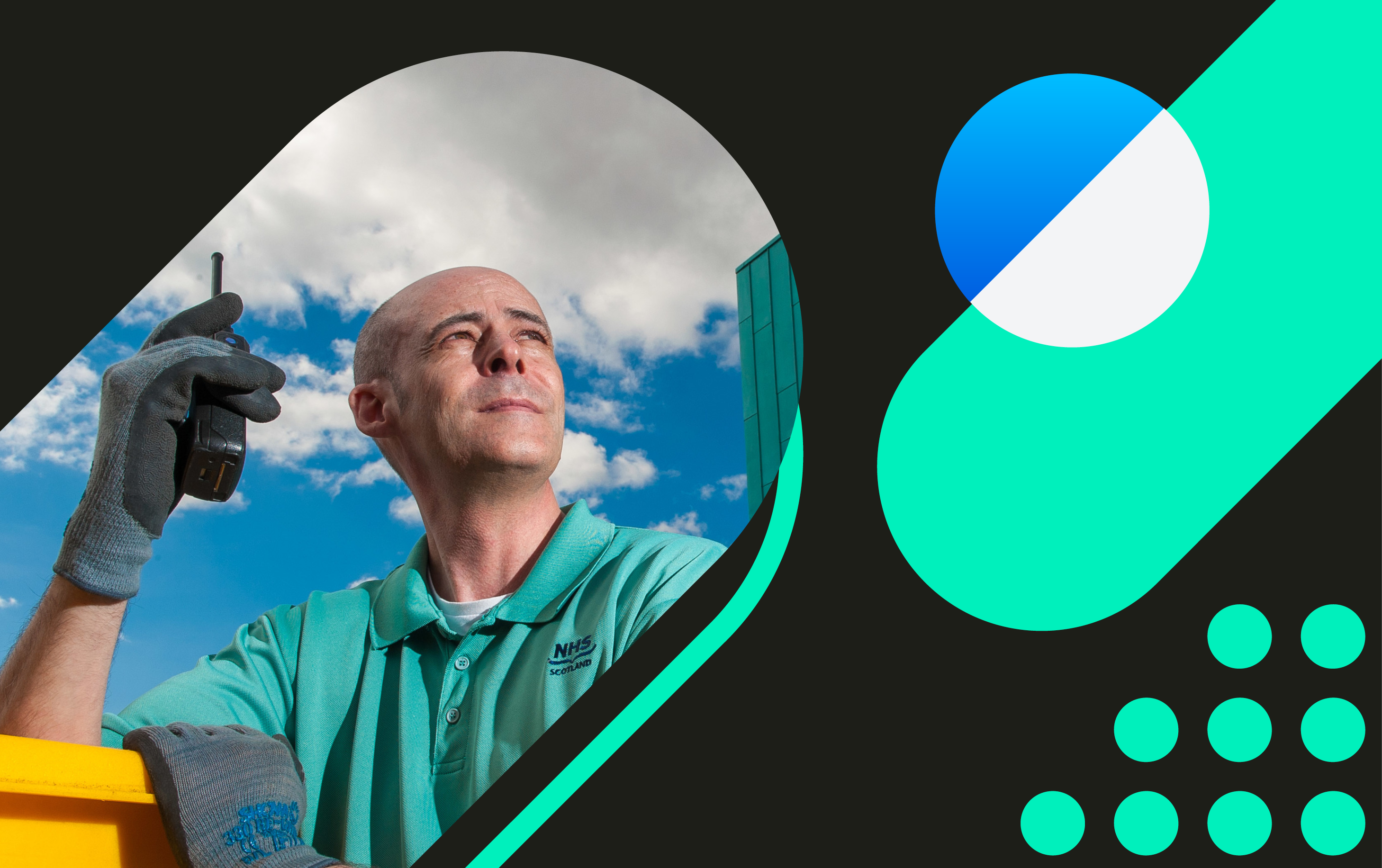
Got an idea?
Every innovation starts with an idea. Ideas from people like you. People within health and social care, industry, and academia who can spot opportunities, solve problems, and identify ways to make things better.
If you have an innovative healthcare idea, then InnoScot Health would like to hear from you. You can start by booking a consultation or submitting your idea.


Chat