
The areas of healthcare innovation which we cannot afford to disregard in 2026
I believe that 2026 will be a fascinating time for healthcare innovation — a year when, out of necessity, much greater decisive action will be in evidence.
More heads will emerge from the sand, and of course there will almost certainly be further shifts in the ongoing global trends towards AI transformation, integrated health systems, and preventative care, to name just a few.
However, other perhaps more focused areas of innovation will play just as important a role in improving outcomes and efficiency and cannot be disregarded.
I believe that among these will be:
Robotic surgery
This will undoubtedly be an area to watch, and I expect the groundbreaking technology involved will realise further benefits across the healthcare sector.
That sustained expansion has been in particular evidence within NHS Scotland, with robots now utilised in many health boards for procedures such as cancer — including head and neck, prostate, colorectal, gynaecological, and thoracic — as well as urological and orthopaedic. With surgeons able to guide robots to perform smaller incisions with improved precision, it means less pain, faster recovery times, and hospital beds being freed up.
The possibilities for performing remote surgery across great distances are also transforming. For example, Tayside-based expertise recently became central to completing a world-first in robotic stroke surgery with Professor Iris Grunwald successfully performing a remote robotic thrombectomy on a human cadaver from the other side of Dundee.
A few hours later, a neurosurgeon in Florida went a bold step further by using the same technology to carry out the first transatlantic surgery, removing a blood clot from a human brain in Dundee some 4,000 miles away.
Scotland has also led the way in executing the first clinical cases of robotic aortic valve replacement (AVR) through a tiny incision in the neck, and this approach could potentially be applied to a wide range of cardiothoracic procedures.
Earlier this year, Glasgow-based CardioPrecision — a world leader in transcervical access for the treatment of structural heart disease – successfully extended its robotic-assisted procedure to patients with the use of its CoreVista® Robot Enabling Platform.
It is reasonable to expect that robot-assisted surgery will continue to move towards AI integration, meaning the ability to learn from surgical experience, plan optimal paths, and execute parts of a procedure under a surgeon's supervision.
Medical delivery drones
Going by current trends, a shortage of healthcare professionals in rural and semi-rural areas could continue to grow in 2026. However, some of that impact can be offset by innovation applied to the development of medical delivery drones with the addition of AI for autonomous navigation, real-time route optimisation, and obstacle avoidance perhaps not far away.
With the right assessment and patient support, drones could transport essential medicines, bloods, and other vital medical supplies to remote locations directly into the hands of those who need them. Transporting laboratory specimens this way could also accelerate clinical decision making.
The results of this equate to fewer in-person appointments, significantly reduced travel time to receive prescriptions, as well as lower costs and carbon emissions. Scotland’s Project CAELUS has been a trailblazer with live flight trials showcasing vast potential.

Fundamentally, I believe 2026 will be defined by the patient being enabled to take much greater control over their own healthcare. Choice and autonomy will be everything, and it will be granted to many more.
Graham Watson, Executive Chair, InnoScot Health
Virtual hospitals
Telemedicine and home healthcare are no longer ‘nice to have’ supplementary services. They are becoming core delivery models. NHS Scotland continues to expand its ‘Hospital at Home’ services, providing hospital-level care to patients in their own homes using remote monitoring technology.
Boosted by ever-advancing data for better real-time patient analysis, wearable devices for proactive interventions, and the potential for AI home diagnostics, innovation is undoubtedly powering this trend.
Looking ahead, predictive maintenance for home healthcare devices and remote monitoring equipment will be essential. AI-powered diagnostics for medical devices in patients’ homes will trigger automated technician dispatch before devices fail. Remote troubleshooting and virtual maintenance support will significantly reduce on-site visits, improving care continuity in underserved areas.
I would expect these trends to take on further momentum next year, both in Scotland and around the world, helping to take pressure away from bricks and mortar facilities, freeing up beds, and placing more focus on care delivered in the community.
Indeed, it has already been pledged that Scotland's Hospital at Home service will be expanded to 2,000 beds by December 2026.
First Minister John Swinney said this expansion would 'create the largest hospital in the country'.
Telehealth 2.0
Telehealth may not be talked about as much these days with its technology once considered a COVID stopgap, but there is much more to come as we now look to a new era which moves far beyond simple video interactions to automated triage, guiding patients before they even speak to a clinician.
Telehealth 2.0 refers to a shift in focus to a better integrated, more data-driven hybrid of virtual and in-person care which, when speaking to a clinician on a video call, helps to analyse the patient for a comprehensive health snapshot, making the experience more valuable for all involved.
It can mean leveraging AI for expediting care, greater diagnostic personalisation, and automated data entry into electronic health records (EHRs) so providers can focus more on patient care, supporting clinical decisions for better outcomes.
Furthermore, telehealth 2.0 could signal additional deployment to help address remaining gaps in chronic disease management, mental health, and dermatology, particularly in rural and underserved communities.
Committing to digitally enabled healthcare
If 2025 saw a degree of watching and waiting to see how things would play out then, provided the risk of an AI bubble burst does not materialise, 2026 will witness more would-be digital health adopters getting off the fence.
Digitally enabled healthcare has been promised as the default mode of access for most patients and next year the pressure to start delivering it and moving with wider societal progress will be significant.
This will be further mobilised by sheer economic necessity, by anxiety around other countries extending their lead in many areas, and technological progress now being able to facilitate ideas that previously were not possible to realise.
Fundamentally, I believe 2026 will be defined by the patient being enabled to take much greater control over their own healthcare. Choice and autonomy will be everything, and it will be granted to many more.
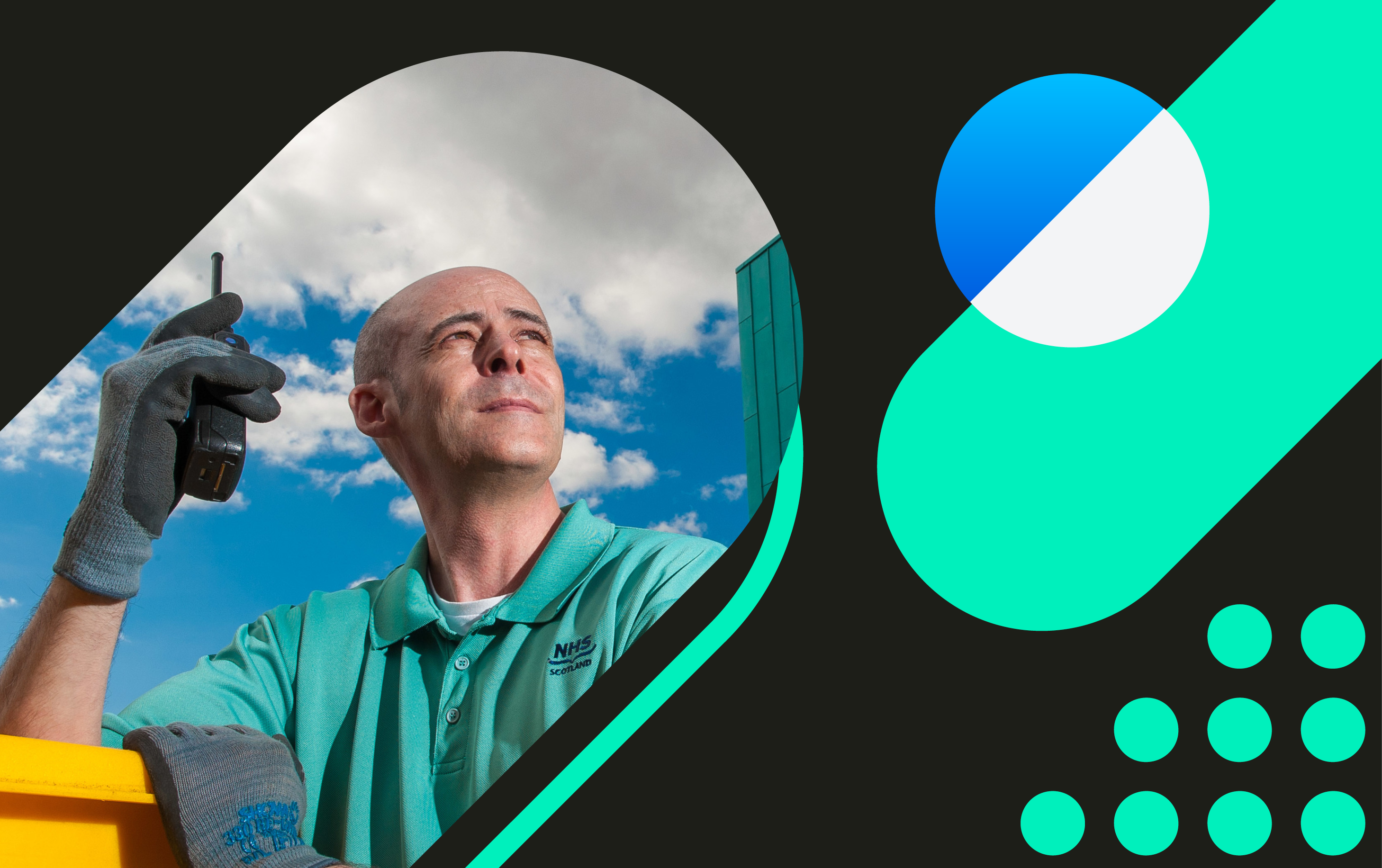
Got an idea?
Every innovation starts with an idea. Ideas from people like you. People working within health and social care who can spot opportunities, solve problems, and identify ways to make things better.
If you have an innovative healthcare idea, then InnoScot Health would like to hear from you. You can start by booking a consultation or submitting your idea.


Chat